10 Common Jacksonville Rental Property Problems (and How to Fix Them)
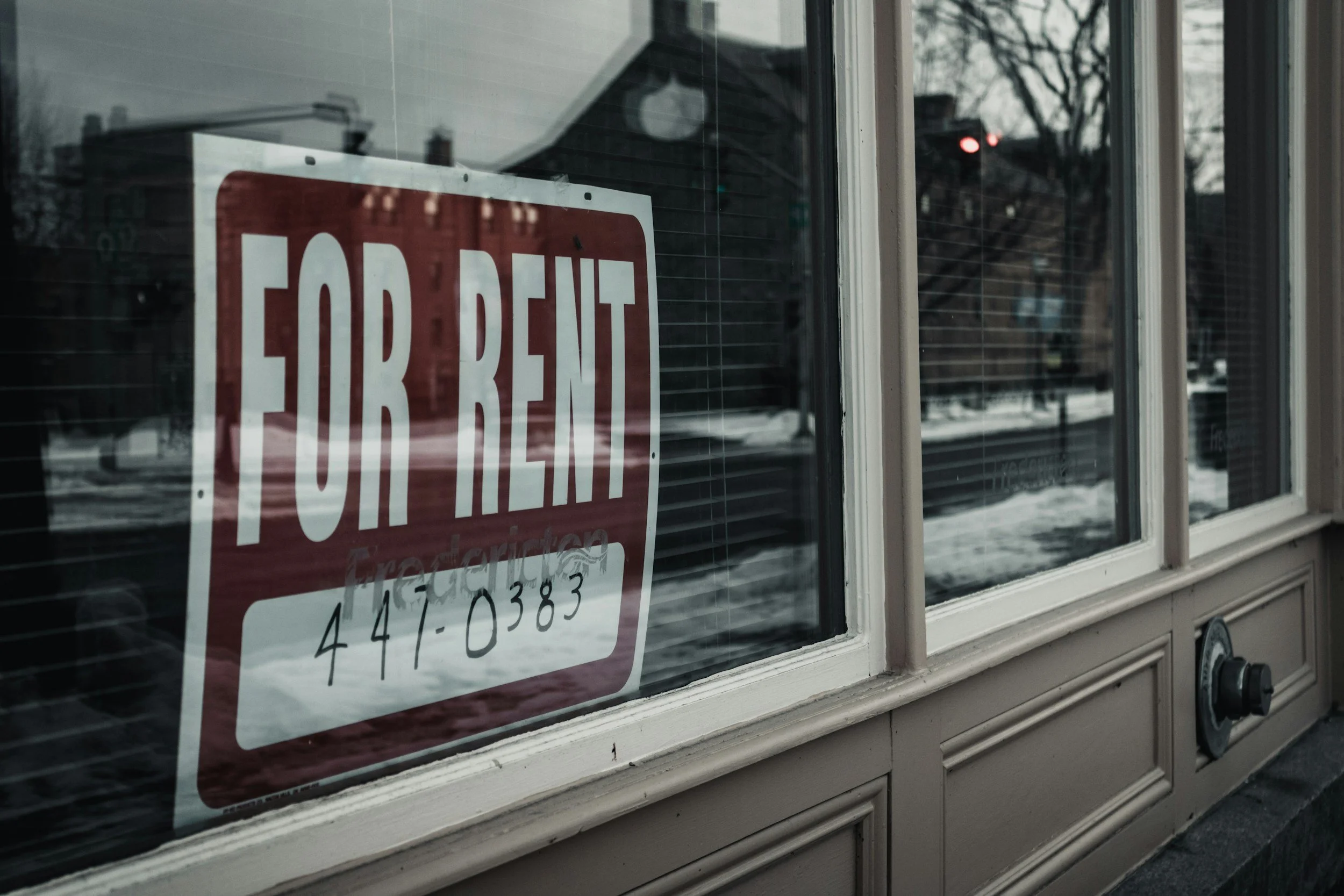
Owning a rental property in Jacksonville can be a great investment, but a big undertaking.
Managing a property yourself may seem simple until issues start arising. For many, this becomes too big of a task to manage solo. For others, self-managing is doable – but only with the right guidance.
What happens when a tenant stops paying rent? Or maybe the air conditioner goes out in the middle of summer? What if your property sits vacant longer than expected? For Jacksonville property owners especially, there are local considerations to keep in mind that can affect your rental, like climate, hurricanes, humidity, rental laws, and strong competition.
Landlords deal with problems like these regularly. And while you can't prevent every issue from happening, good property management can make a big difference in the success of your investment.
Whether you manage your property yourself or work with a professional property management company, here are 10 of the most common Jacksonville rental property problems and how to fix them.
1. Why Is My Jacksonville Rental Property Sitting Vacant?
Vacancy is one of the simplest ways a rental property can lose money. Unfortunately, you can do everything right and still end up with a vacant property.
Every month a property sits empty means the owner is still paying the mortgage, property taxes, insurance, HOA fees, utilities, and other ownership costs without collecting rent. This can quickly turn a profitable investment into a money pit.
The problem isn't always that there aren't renters looking or that demand is low. Often the rental is priced too high, or the listing isn't reaching the right renters. Sometimes there are simple improvements that can be made to the property before it can compete with other homes.
Jacksonville's rental market has also become more competitive as the market has stabilized. In Colliers’ Q2 2026 Jacksonville multifamily report, they reported 93.9% occupancy and noted that effective rents were down just 0.6% year over year, showing a market where owners need to pay attention to pricing and competition rather than assuming rents will continue rising automatically.
How to fix it
Start with realistic pricing that gives you a profit without scaring off renters.
Don't base the rental rate on what the owner needs to make or what the property was renting for two years ago. Look at current comparable properties and consider differences in location, condition, square footage, amenities, and finishes.
Presentation matters, too. Professional photography, an accurate description, clean landscaping, fresh paint where needed, and a property that shows well can all affect how quickly a qualified renter makes an offer.
At the same time, just because a property has been sitting vacant doesn’t automatically mean the answer is to keep lowering the rent. Look at the entire leasing strategy first before coming to a conclusion.
2. How Do I Know If I'm Charging the Right Rent for My Jacksonville Rental?
If you price your rental too low, you may fill the property quickly but leave significant rental income on the table. And as we just talked about, pricing it too high can cause vacancies.
This becomes even more important with luxury properties because there may be fewer truly comparable homes.
For example, a $4,500 rental in Ponte Vedra isn't necessarily competing with every other $4,500 rental in Jacksonville. The property's neighborhood, finishes, lot, pool, views, proximity to the beach, furnishings, and other amenities can dramatically change what renters are willing to pay.
How to fix it
Rental pricing should be based on current market data and the property's specific characteristics.
Don’t simply search for the highest rents in the area, but look at comparable properties that are actually competing for the same renters.
It's also important to monitor the property's performance after it is listed. If there are plenty of views but few inquiries, the price or presentation may need to change. If there are frequent inquiries but applications aren't coming through, something else may be discouraging prospective tenants.
Deciding how much to charge for rent is a decision that should be reviewed often.
3. What Should I Do When My Jacksonville Rental Needs Emergency Repairs?
Maintenance problems are inevitable with rental properties but it’s important to be prepared when they happen.
In Jacksonville especially, an HVAC failure during a hot summer day can become a big problem. A leaking roof during a major hurricane or storm can quickly turn into interior water damage. A plumbing problem can go from a small leak to damaged flooring or cabinetry surprisingly quickly.
Florida law also places maintenance responsibilities on landlords. Under Florida Statute 83.51, landlords have specific obligations regarding the condition and maintenance of rental premises.
*Note: Consider consulting with a licensed Florida attorney if you need assistance with Florida tenant and landlord laws.
How to fix it
Build a maintenance plan before something breaks.
Have reliable HVAC, plumbing, electrical, roofing, landscaping, pest control, and general maintenance vendors identified ahead of time and ready to go in an emergency. It may even be good to have a second option for each of these in the event your main contact isn’t available when needed.
Preventative maintenance matters, too. Regular inspections especially after major weather events can help identify problems before they become expensive emergencies.
A good property manager isn't simply someone who answers the maintenance call. The goal should be to reduce the number of emergencies that happen in the first place.
4. How Can Jacksonville Landlords Prevent Water, Mold, and Humidity Problems?
As we’ve mentioned already, Florida's climate creates some challenges that landlords in other parts of the country don't have to deal with to the same extent.
Water intrusion is especially important to catch early. Roof leaks, clogged drainage systems, leaking pipes, or HVAC condensation can create moisture that eventually damages drywall, flooring, cabinetry, or even create mold.
How to fix it
Regular inspections are one of the best ways to catch moisture problems early.
Look for water stains or musty odors, especially after significant storms. Check the property for signs of water intrusion or exterior damage as well.
For luxury properties, preventative maintenance is especially important here because the cost of repairing higher end finishes that come with these rentals can add up quickly.
The goal isn't to wait until a tenant reports a major problem but to identify potential problems.
5. What Should I Do If a Jacksonville Tenant Stops Paying Rent?
Few rental problems create as much stress for an owner as unpaid rent, especially when the property has a mortgage and other fixed expenses that you’re losing out on.
The important thing is to respond consistently and follow the lease and applicable Florida law rather than letting the situation drag on.
Under current Florida Statute 83.56, when rent remains unpaid after it’s due, a landlord may terminate the rental agreement after the required written demand and three-day period, excluding Saturdays, Sundays, and court-observed legal holidays
How to fix it
First, make sure you’re starting with a clearly defined lease and rent collection process.
Automated payments, clearly stated due dates, late-payment procedures, and consistent communication can help prevent major problems.
If a tenant does become seriously delinquent, document everything and follow the appropriate notice process. Eviction is a legal process, and landlords should be careful about improvising notices or assuming that an online template is sufficient for their specific situation.
For owners who don't want to manage collections, notices, and tenant disputes themselves, this is one of the areas where professional property management can provide significant value.
You may also want to consult with a licensed Florida attorney if you’re in a situation where your renters are delinquent.
6. How Can Landlords Avoid Security Deposit Disputes?
Security deposits can become a source of conflict when a tenant believes they should receive the entire deposit back and the owner believes there are legitimate deductions.
The best way to prevent that argument is to create a detailed record before the tenant ever moves in.
Florida also has specific requirements governing how security deposits are held and how landlords must provide certain notices. Florida Statute 83.49 lays out the requirements for residential security deposits and advance rent.
How to fix it
Document the property's condition before move-in by taking photographs of flooring, walls, appliances, cabinets, countertops, bathrooms, fixtures, doors, windows, landscaping, and any existing damage.
Then conduct another documented inspection when the tenant moves out.
This gives the owner a much clearer way to distinguish normal wear from damage. It also creates a better experience for the tenant because any deductions can be supported by documentation rather than becoming a subjective argument.
This is another reason why owners choose property management because being consistent with inspections and documentation can be a tedious task.
7. How Can Jacksonville Landlords Handle Tenant Maintenance Complaints?
A maintenance issue isn't always just a maintenance issue. It's often a communication issue.
A tenant may become frustrated because they don't know when a contractor is coming or when an issue is getting addressed. An owner may become frustrated because they receive an unexpectedly high repair bill. A contractor may arrive at the property without the information needed to complete the job.
Everyone can end up frustrated even when the original problem was relatively simple.
How to fix it
Create a clear process for maintenance requests and set expectations for communication and repair timelines.
Tenants should know where to submit a request, what constitutes an emergency, and what information they need to provide.
Owners should know how repairs are approved, when they will be contacted, and how invoices are handled.
Vendors should have a clear point of contact and enough information to diagnose the issue.
Florida law also governs when landlords can access occupied rental properties which is important to know. Under Florida Statute 83.53, landlords generally must provide at least 24 hours' notice for entry for repairs and enter at a reasonable time, with exceptions including emergencies and certain other circumstances.
A good maintenance system makes all of this easier because everyone knows what to expect.
8. What Should I Do If a Tenant Violates the Lease?
The mistake landlords sometimes make is treating every violation the same way or waiting too long to address a recurring problem, but not every lease violation warrants the same response.
Having an unauthorized pet or person living at the premises may be more serious than a one time violation of a parking rule, for example.
Florida law establishes different procedures depending on the nature of the violation. Under Florida Statute 83.56, some violations require an opportunity to cure, while certain serious or repeated violations can be handled differently.
How to fix it
As always, start with a clear, enforceable lease, then document violations when they occur and respond consistently.
You don’t want to ignore a small problem repeatedly and then suddenly attempt to enforce the lease months later. At the same time, landlords should avoid making emotional decisions based on frustration with a tenant.
A professional management process separates the personal side of a tenant dispute from the actual terms of the lease and the applicable law.
That becomes particularly important when managing luxury properties, where an owner's relationship with the tenant may feel more personal because of the property's value or the level of service expected.
9. How Can I Manage a Jacksonville Rental Property From Out of State?
Jacksonville attracts lots of investors who don't necessarily live in Northeast Florida.
Property ownership is very much possible from out-of-state, but there are new questions that can arise when managing a property from hundreds or thousands of miles away.
Who meets the HVAC technician?
Who checks the property after a storm?
Who handles a tenant's emergency call at 10 p.m.?
Who knows whether the contractor actually completed the work?
Who notices when the landscaping has deteriorated or when a small leak has become a bigger problem?
How to fix it
Remote owners need to have a strong local system in place to handle these issues. Having reliable vendors, someone who can physically inspect the property, clear tenant communication procedures, and a process for handling emergencies without requiring the owner to get on a plane is key.
This is one reason managing a Florida rental property from out of state requires more planning than simply finding a tenant and collecting rent. For luxury properties, the need for local oversight can be even greater.
10. How Can Jacksonville Property Owners Keep Up With Landlord-Tenant Laws?
One of the easiest mistakes for a landlord to make is assuming that the rules haven't changed since they last rented out a property. Or to assume that the laws are simple and easy to abide by.
Florida landlord-tenant law covers everything from property maintenance and security deposits to tenant access, notices, lease violations, and termination. There have also been recent changes that Jacksonville landlords need to know about.
For example, Florida's 2026 statutes include a new flood-disclosure requirement for residential rental agreements with a term of one year or longer. Under Florida Statute 83.512, landlords must provide a separate flood disclosure to prospective tenants at or before execution of the rental agreement for qualifying leases.
That's exactly the type of requirement that can be easy for an individual owner to miss if they aren't regularly monitoring changes to Florida's landlord-tenant laws.
How to fix it
Keep lease documents and notices current. Maintain records. Follow required procedures. And when a situation becomes legally complicated, consult a qualified Florida attorney rather than trying to interpret the law yourself.
For property owners, the goal isn't to become a landlord-tenant law expert, but it's extremely important to have a management process that protects you, your tenants, and your investment.
What Can Jacksonville Landlords Do to Prevent These Problems?
Rental property problems aren’t avoidable. You’ll always have some things to deal with that aren’t necessarily pleasant or part of the plan.
Even a well-managed property can have a plumbing emergency, a tenant dispute, a vacancy, or an unexpected repair.
The difference is how equipped you are to handle these problems. Focusing on prevention rather than reaction is your best way forward.
This may mean building a team of reliable local people who can actually help you get things done or seeking out a reputable property management company in Jacksonville.
When Does It Make Sense to Hire a Jacksonville Property Manager?
Should you hire a property manager?
That question depends on how comfortable you are handling these rental problems yourself. Many are able to do so with ease while for others, the time and complexity eventually outweigh the savings of self-management.
Here are some scenarios where professional management would be useful for an owner:
You live outside of Jacksonville
You own multiple rental properties
You own a luxury or high-value property
You don’t have have reliable local vendors
You don’t want to handle tenant communication
You don’t have time to respond to maintenance issues
You need help with leasing and tenant screening
You aren’t comfortable handling Florida landlord-tenant requirements
Not every Jacksonville rental needs professional management, but the cost of management should be compared with the time, risk, and potential cost of managing everything yourself.
If you're considering whether professional management makes sense, understanding the costs of luxury property management in Florida can help you evaluate what you're actually paying for.
Ultimately good property management is designed to take these things off your plate and protect the long-term value and performance of your rental property.
If you're looking for professional management for a luxury rental in Jacksonville, Ponte Vedra, St. Augustine, or the surrounding Northeast Florida area, choosing the right luxury property management company starts with understanding exactly how they handle the problems that come with owning a rental.
Contact JCCT Property Management for further questions or to get started with professional turn-key management today.
*Note: The information in this article should NOT be taken as official legal advice on Florida laws or rental/tenant procedures. Seek a consultation with a licensed Florida attorney for information on what specific steps to take in regards to the law and your specific situation.
